

Test Equipment
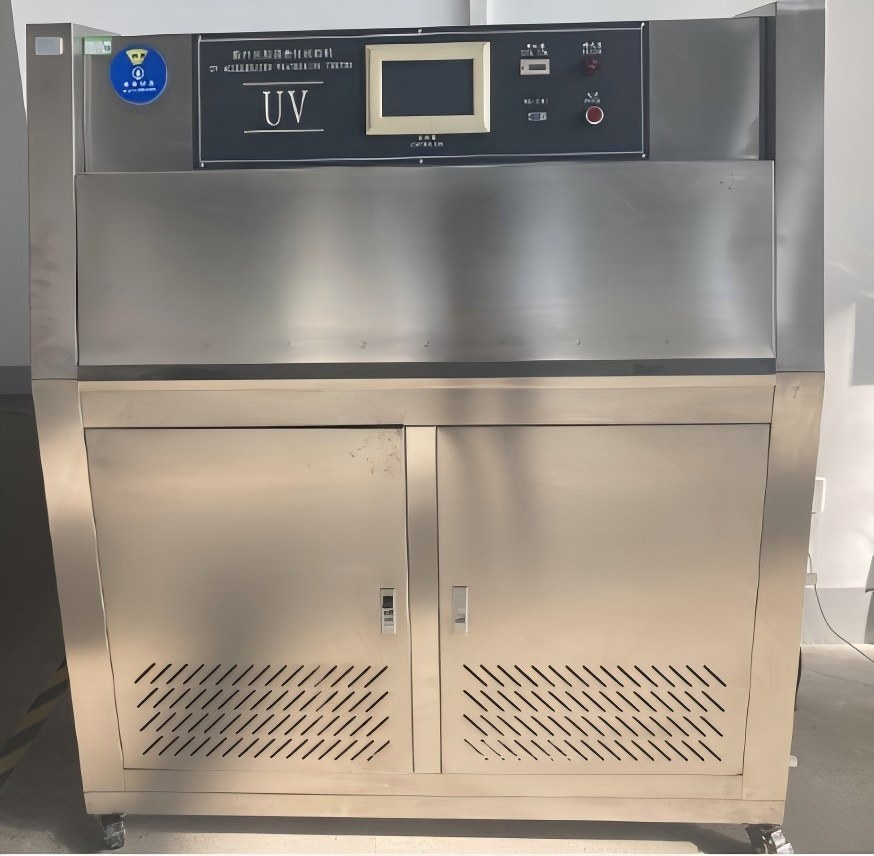
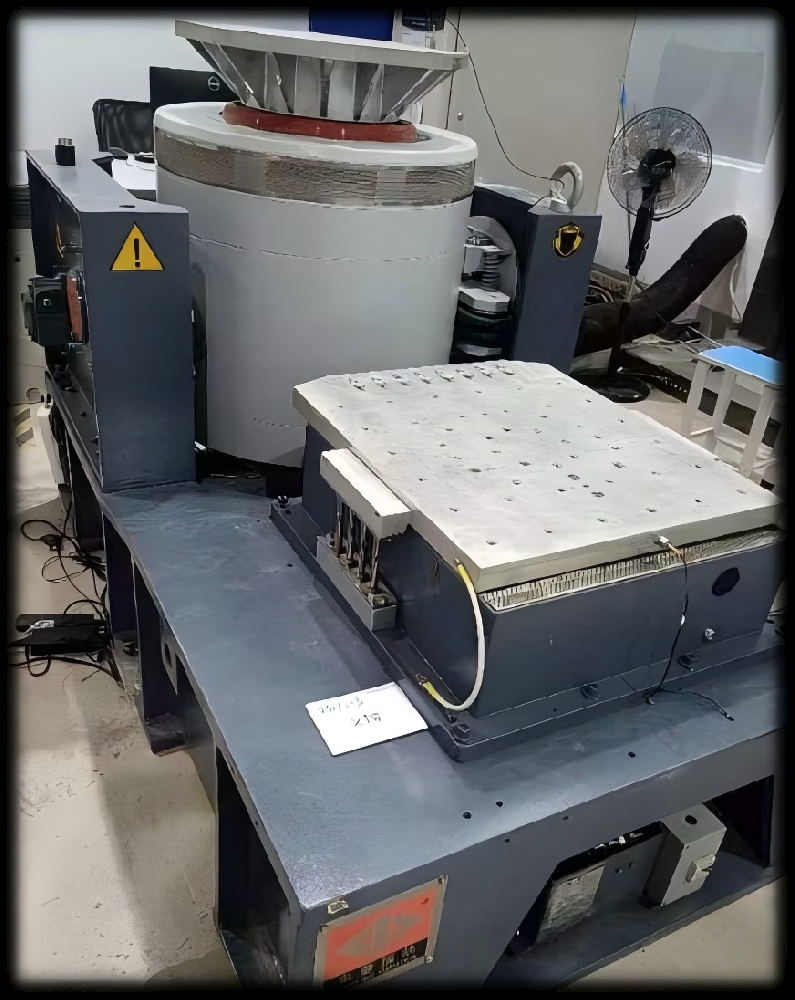
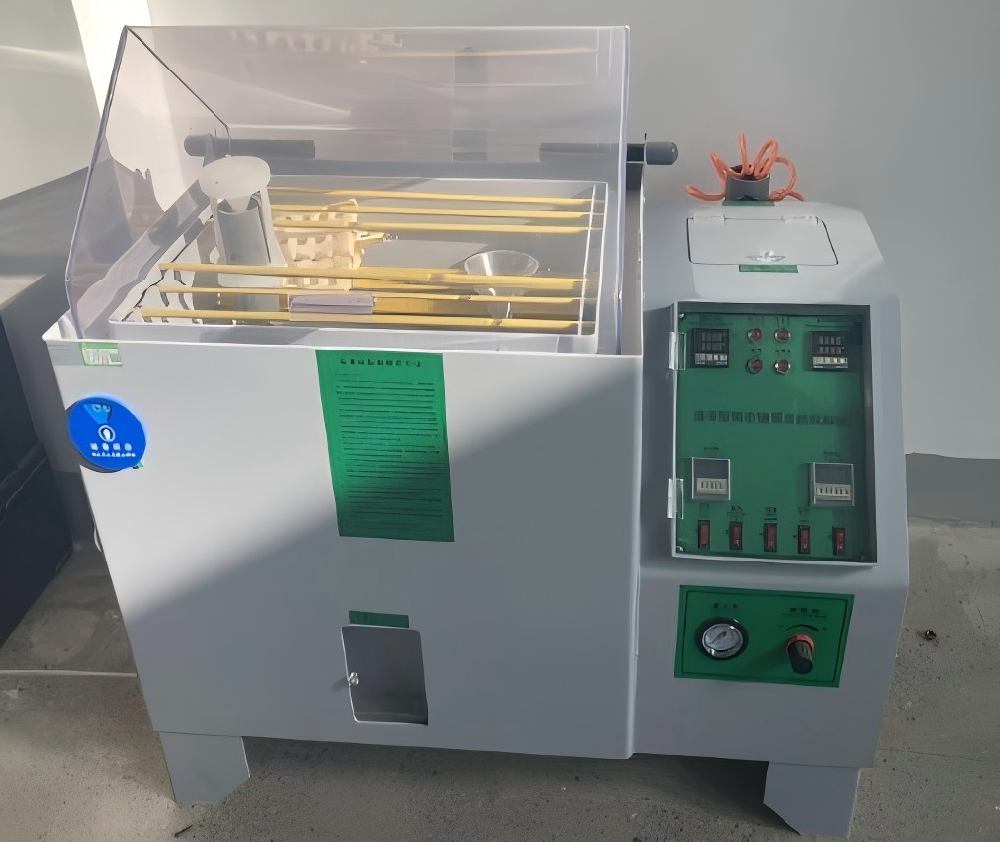
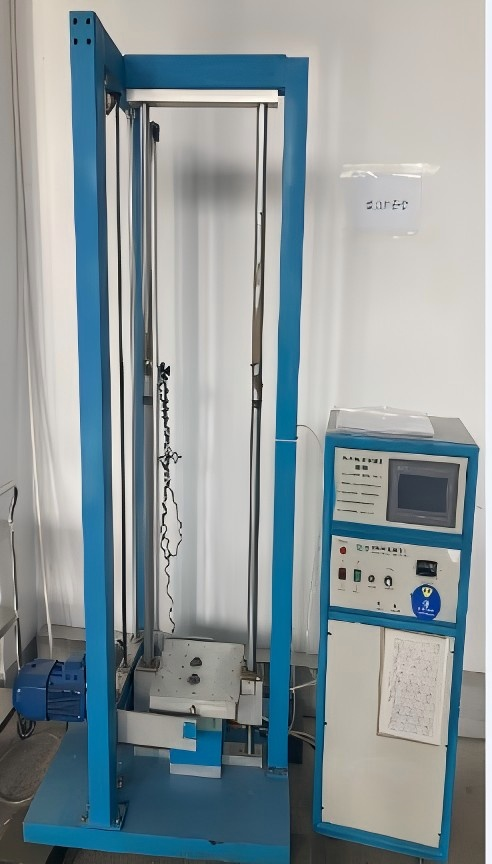
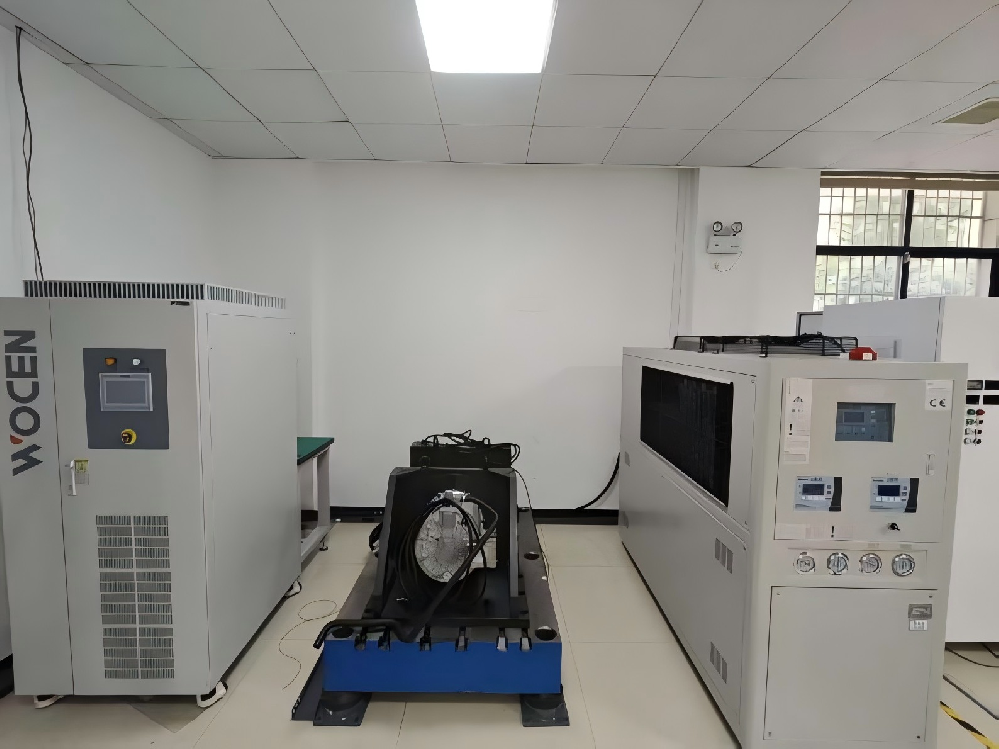
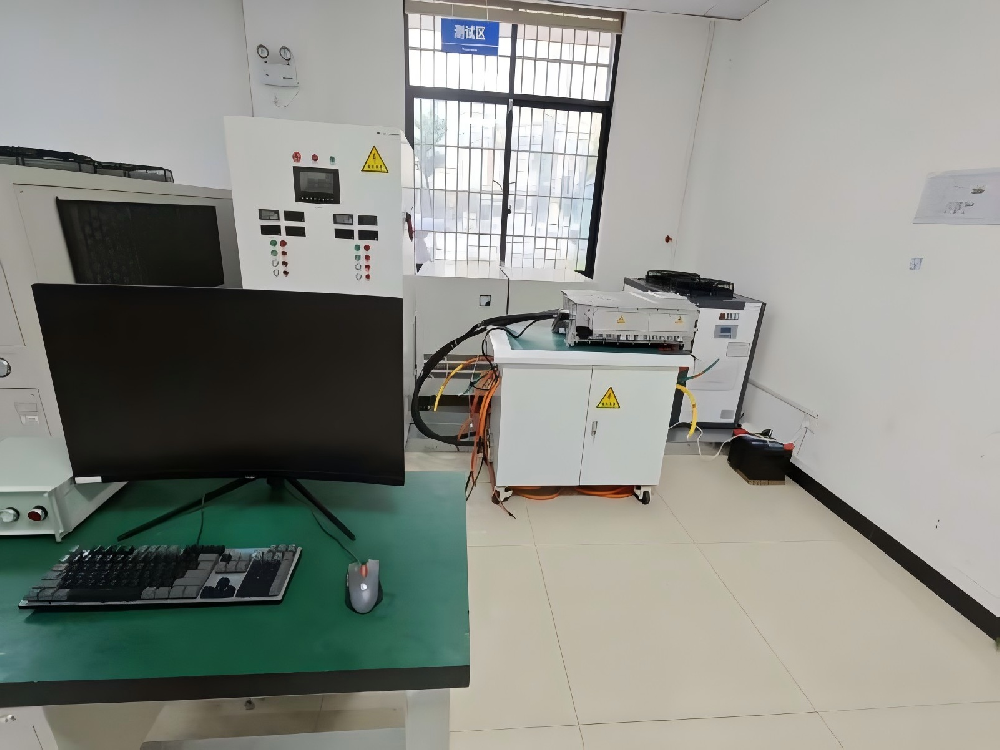
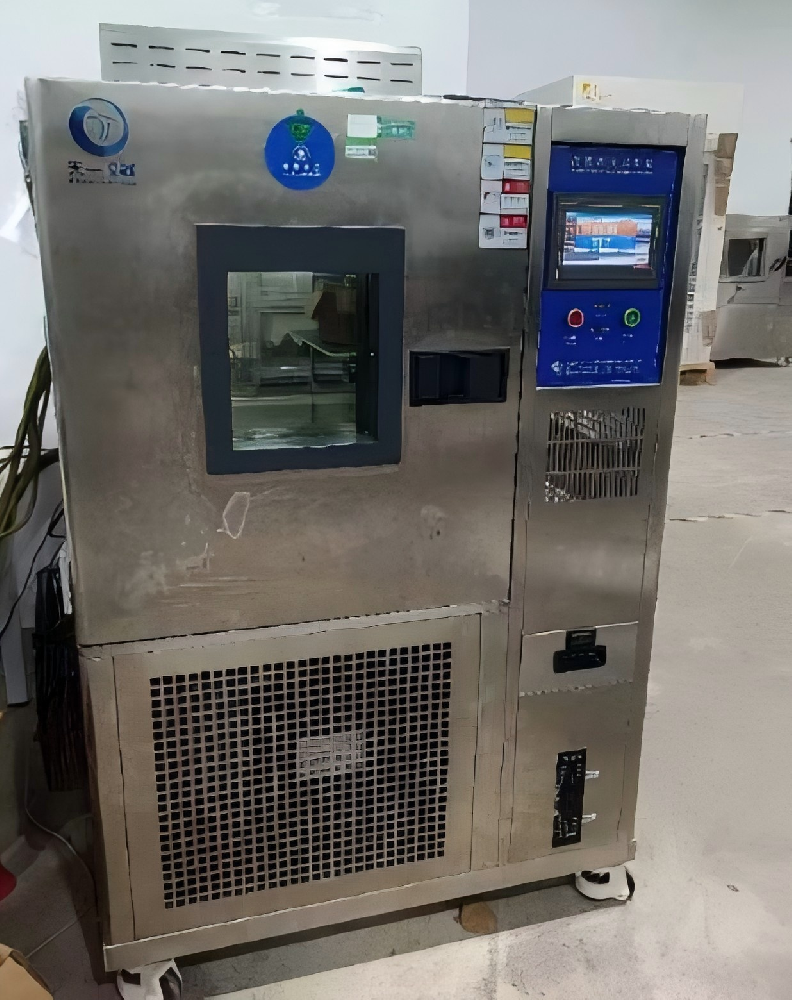
The environmental testing laboratory is equipped with corresponding environmental test equipment, including 4 rapid temperature change chambers, 2 high-low temperature chambers, 1 vibration table, 2 gravity impact testing machines, 2 salt spray chambers, 2 sand and dust chambers, 2 UV aging chambers, 1 mass center of gravity tester, etc. This ensures environmental testing requirements for individual units and subsystem products.
PCBA Production Workshop
Capacity: 300 boards/day
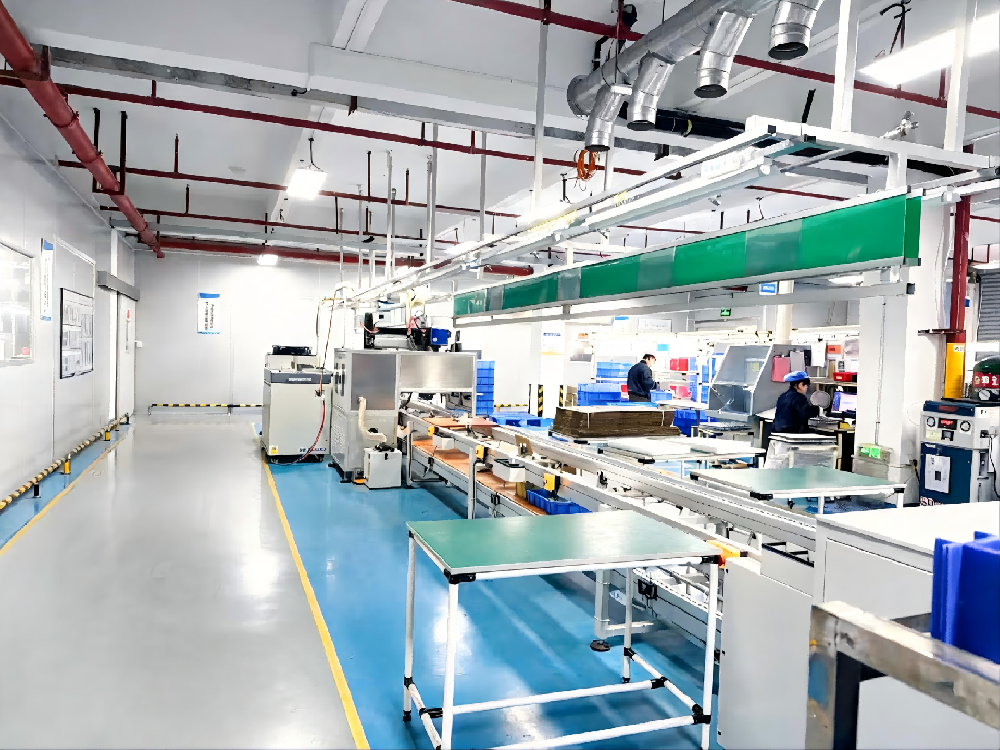
Equipped with 1 X-Ray inspection device, 1 3D SPI inspection machine, 1 AOI inspection machine, 2 3D electron microscopes and other board inspection equipment to ensure the quality of board electrical assembly. The conformal coating room uses spray and brush application to enhance the board's moisture, mold, and salt spray resistance.
Product Protection Technology
Products with special requirements must undergo conformal coating and potting encapsulation protection. Through repeated testing and debugging, we have gradually mastered mature conformal coating and silicone potting processes, ensuring uniform material, no deformation, no bubbles, and excellent protection.

Equipped with PCBA production workshop, assembly and wire harness production workshop, automated production lines, product protection technology and other capabilities


Products with special requirements must undergo conformal coating and potting encapsulation protection

Spray Coating Process
Method: Use automatic spray guns / spraying equipment to atomize conformal coating and spray it onto the PCB surface. The nozzle sprays mist-like coating to cover circuit board components.
Working Principle: Compressed air atomizes the conformal coating and evenly sprays it onto the board surface.
Advantages: Controllable coating thickness, good consistency, high efficiency; can coat complex component boards.

Brush Coating Process
Method: Use a brush dipped in conformal coating to manually apply it on the circuit board surface. Working Principle: Manually apply conformal coating with a brush to the areas requiring protection.

Dip Coating Process
Method: Immerse the entire circuit board into the conformal coating tank, then slowly lift it, allowing excess coating to drip off and level.
Working Principle: The circuit board is fully immersed in conformal coating, which infiltrates all surfaces, including the bottom of component gaps.
Advantages: Both sides of the board and component gap bottoms are fully coated, providing the best protection integrity; simple operation.

Potting Encapsulation
1. Pre-treatment: Clean the housing interior; complete circuit board soldering and testing;
2. Mixing: Mix two-component adhesive in proportion, vacuum degas to remove bubbles;
3. Potting: Manual pouring or automatic potting machine injection;
4. Let stand to degas, adhesive flows and fills gaps;
5. Curing: Room temperature curing or oven heating to accelerate curing;
6. Finished product inspection.
Advantages
1. Completely fills and encapsulates components, waterproof, moisture-proof, salt spray-proof, dust-proof, with high protection level reaching IP67/IP68;
2. Cured adhesive firmly fixes components, resistant to vibration and impact, protecting solder joints and wires;
3. Excellent insulation performance, improving electrical safety;
4. Can assist heat conduction and dissipation, reducing internal component operating temperature.
The environmental testing laboratory is equipped with corresponding environmental test equipment, including 4 rapid temperature change chambers, 2 high-low temperature chambers, 1 vibration table, 2 gravity impact testing machines, 2 salt spray chambers, 2 sand and dust chambers, 2 UV aging chambers, 1 mass center of gravity tester, etc. This ensures environmental testing requirements for individual units and subsystem products.